My son is very behind in reading apparently-nees to vent
When Your 5 Year Old is Behind in Reading Kindergarten: A Tiger Mom's Reality Check
Plot twist: your kindergartener staring at letter sounds like they're ancient hieroglyphics doesn't mean you failed as a parent. Yes, it's completely normal for kindergarteners to not know all their letter sounds—but here's the kicker nobody tells you: "reading together" and "teaching reading" are two totally different skills, and most of us only did the first one. Unlike the typical advice that says "just keep reading together," what actually works is rolling up your sleeves and explicitly teaching phonics sounds at home.
My DIBELS Reality Check Moment
I'll never forget when my oldest came home with his first reading assessment. I was smugly confident—we read every single night! We had chapter books! We discussed plots! Then I saw those scores and realized I'd been playing checkers while kindergarten was playing chess.
Here's what I learned the hard way: all those beautiful bedtime stories built his love of reading (absolutely crucial), but they didn't teach him that the letter 'b' makes the /b/ sound. I had accidentally skipped the boring foundation work, assuming school would handle it. Spoiler alert: they expect you to have started already.
This is exactly what happened to you, and honestly? It happens to most of us. The difference between kids who "just pick up reading" and kids who struggle isn't intelligence—it's whether someone explicitly taught them letter sounds before kindergarten.
Why Does My Kindergartener Struggle with Letter Sounds?
Most preschools focus on play-based learning (which is great for development) but skip systematic phonics instruction. Your child probably knows that books contain stories and pictures have meaning, but nobody sat down and drilled the fact that /m/ /a/ /t/ blends into "mat."
Why this works: The brain needs explicit instruction to connect abstract symbols (letters) to sounds. It doesn't happen through osmosis, even with tons of story exposure. This is why evidence-based phonics activities for home work better than just increasing story time.
The Testing Factor
Those DIBELS scores? Take them with a grain of salt for now. A 5-year-old being timed by an unfamiliar adult on abstract skills is like asking them to perform surgery while riding a unicycle. The scores show gaps, but they don't predict your child's future.
How Can I Teach Letter Sounds at Home Without Overwhelming My Child?
Start with sounds only—never letter names. I cannot stress this enough. Forget everything you know about "A is for apple." Your child needs to know that this symbol makes the /a/ sound (like in "cat"), not that it's called "ay."
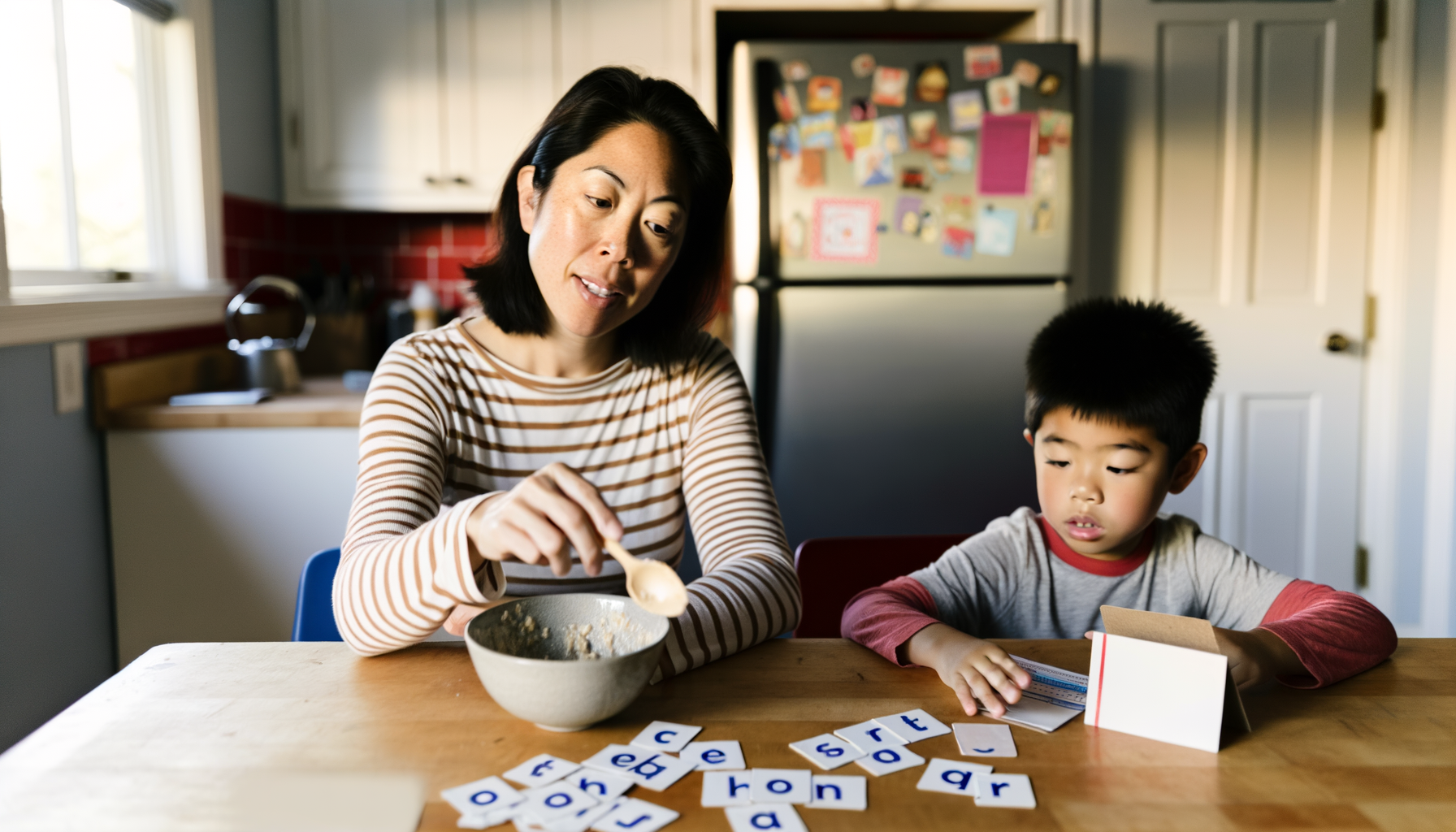
Here's my 15-minute daily routine:
- 5 minutes: Sound practice with 'Teach Your Child to Read' app
- 5 minutes: Blending simple sounds (/c/ /a/ /t/ = "cat")
- 5 minutes: Let them pick any book to read together for fun
Why this works: You're building the foundation (phonics) while protecting their love of books (choice reading). Most conventional wisdom says to just "read more," but that's like trying to build a house by staring at pretty houses—you need to learn how to use the tools first.
Keep the Joy Alive
Let your son pick books he wants during your together time. Comic books, silly stories, books about trucks—whatever gets him excited about the magic inside books while you handle the mechanics separately.
What Should I Do About School Interventions and READ Plans?
Embrace the help, but don't panic about the timeline. Schools have legal requirements to identify gaps early, which means they're flagging kids who might need support, not declaring them hopeless.
Why this works: Extra practice never hurt anyone, and early intervention is always easier than late intervention. But remember—reading development happens on a wide timeline, and many kids who start "behind" end up ahead by third grade with consistent support.
Work with the school's plan, but don't let it stress your little guy. He doesn't need to know he's "behind"—he just needs to know that learning sounds is fun and important.
Understanding Your Child's Scores
Instead of focusing on the red/yellow categories, focus on progress. Understanding what your child's DIBELS scores actually mean can help you see the bigger picture and track meaningful improvement over time.
Key Takeaways
- Reading TO your child and teaching reading are different skills: Story time builds love and comprehension; phonics instruction builds decoding ability.
- Letter sounds come before letter names: Teaching /b/ instead of "bee" prevents confusion and speeds up blending.
- Consistency beats intensity: 15 minutes daily of focused phonics work trumps hour-long weekend cramming sessions.
- DIBELS scores are data, not destiny: Early kindergarten assessments show starting points, not intelligence or potential.
You Haven't Failed—You Just Have More Information Now
Here's the truth most parenting content won't tell you: you can do everything right and still discover gaps. Reading development isn't intuitive, and most of us learned to read so long ago that we forgot how unnatural it actually is.
Your son isn't broken, and you're not behind as a parent. You just discovered that kindergarten expectations shifted, and now you get to be the hero who fills in the foundation. Start with sounds, stay consistent, and watch him build confidence one phonics lesson at a time.
The fact that you're worried about this tells me you're exactly the kind of parent who will make sure he succeeds. Now let's get to work.
